Generate with daylight.
Solar panels generate electricity from daylight. The roof’s orientation, shading and available space all influence the questions a design needs to answer. Panel quantity alone does not tell the whole story.

Home energy / Field notes 01
Start with the building you know.
Make space for the questions that need a closer look.
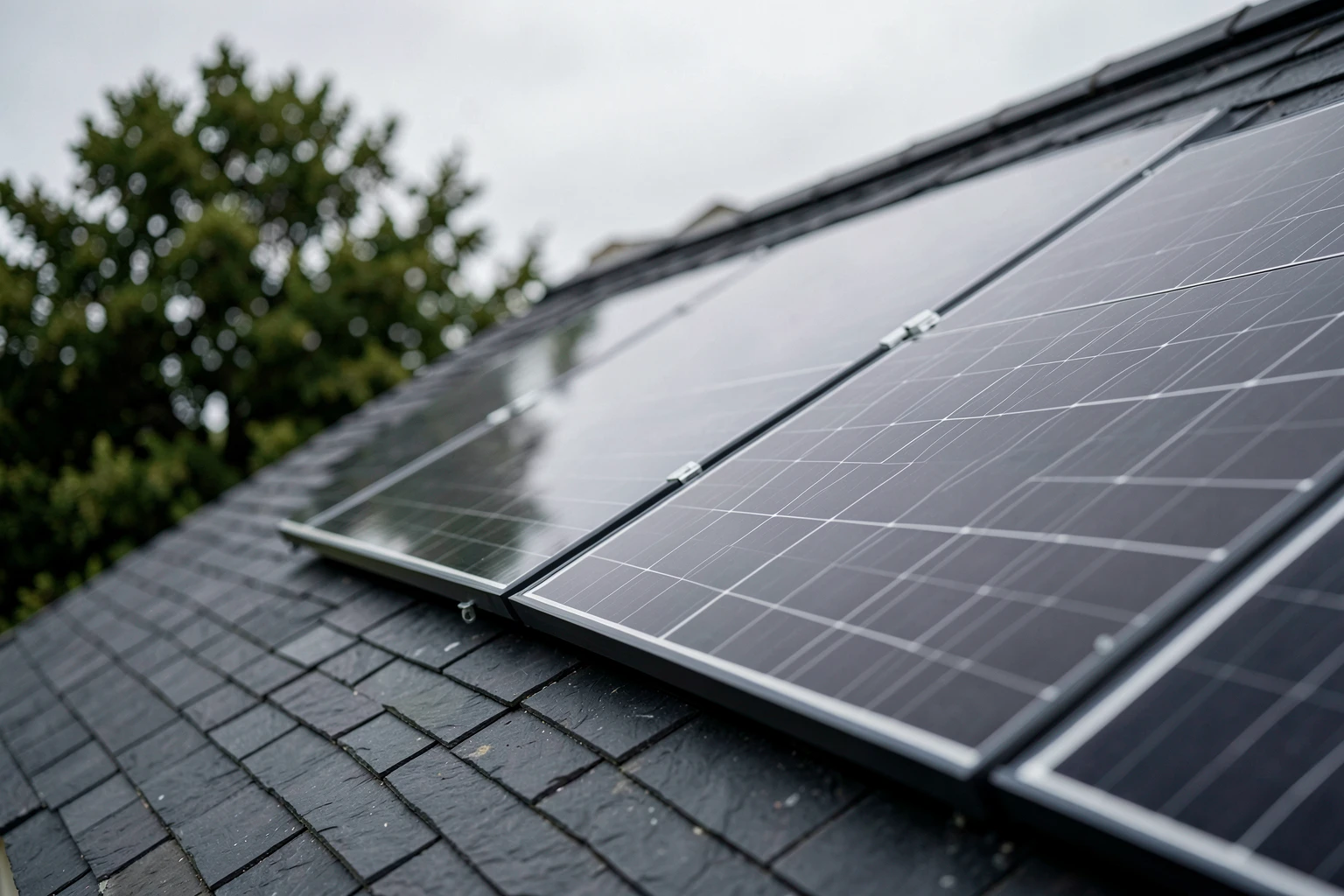
Direction, shade and the way you use electricity shape the questions to explore.
01 / FROM DAYLIGHT TO DAILY LIFE
A solar project connects the space above you with the way you live below it.
Solar panels generate electricity from daylight. The roof’s orientation, shading and available space all influence the questions a design needs to answer. Panel quantity alone does not tell the whole story.
The proposed system needs to work with your property’s electrical installation. Equipment locations, cable routes and access should be considered alongside the layout on the roof.
When you use electricity matters. Share whether someone is home during the day, which appliances you use and what could change. Generation and demand do not automatically line up.
ENERGY IS PART OF YOUR EVERYDAY
Explore a few moments in a day. Your own routine helps shape the questions to bring to an energy conversation.
The house wakes up. Think about heating, hot water and the appliances that are part of your morning routine.
An illustration of everyday questions, not a generation or savings forecast.
ENERGY BELONGS TO EVERYDAY LIFE
A useful solar plan starts with the building and the people inside it. Think about when the home is occupied, what runs through the day and what may change in the years ahead.
Build a picture of your electricity use ↗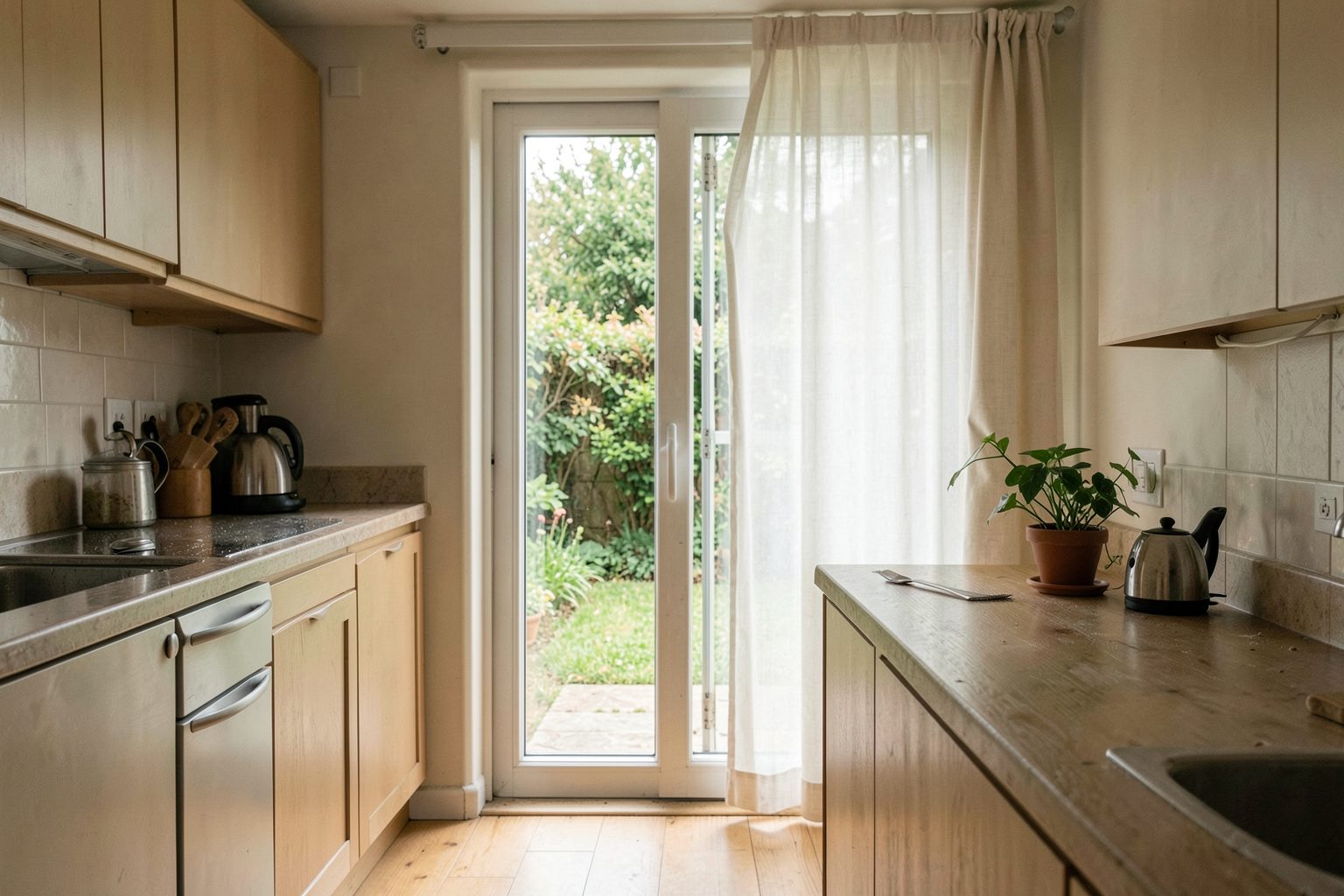
02 / A PLAN THAT FITS YOUR PROPERTY
Before choosing equipment, make room for the practical details that shape a useful proposal.
Explore the roof readiness guide ↗A roof photograph can introduce the conversation, but it cannot confirm structural suitability. Mention roof age, known issues and any repairs you are already considering. Addressing the building and the energy project together can help clarify the sequence of work.
Bring recent electricity bills or usage records if available. Ask how a proposed estimate accounts for your household routine, shading and system assumptions. Understand what is an estimate, what could change and what has not yet been assessed.
A new electric vehicle, an extension or a change in working patterns can affect your energy needs. Tell BRH about future ideas even if they are not part of the immediate project. They belong in the conversation before a scope is agreed.
Put the pieces together
A useful solar conversation brings the physical roof and everyday life into the same picture.
Note the different roof slopes, nearby trees and features such as chimneys or roof windows. Existing drawings or photos can help explain the setting.
Roof condition, structural suitability and an appropriate panel layout need property-specific assessment.
Think about who is home during the day and which activities use electricity. Recent bills or usage records can give the conversation context.
Include changes you are considering, such as a home office or electric vehicle. This checklist does not calculate output or savings.
Mention planned roof work, access constraints and who needs to be involved in decisions about the property.
Ask what assessment, permissions and electrical work may be needed, and what is included in any proposed scope.
04 / BEFORE YOU COMMIT
Ask for a clear description of the proposed equipment and layout, relevant assumptions, what is included and excluded, and any assessment or permissions still required. Discuss access arrangements, the work sequence and the information you will receive afterwards. Keep unresolved questions visible before agreeing to proceed.
If roof work is planned or there are known concerns, bring them into the first conversation. The condition of the building and the sequence of work need consideration together. Do not access the roof yourself to investigate; use existing information and safe ground-level observations.
There is no single answer for every home. Generation varies and your demand changes through the day and year. Ask how the proposal relates to your actual electricity use and which assumptions sit behind any projections. This page does not calculate output, savings or payback.
Before agreeing a scope, ask what handover information, operating guidance and support arrangements are included. Understand how to read any monitoring provided, what to do if something appears wrong and where to find the relevant equipment documentation.
Your next conversation
Your property sheet becomes a starting brief below. Add details you want to share, then open your email app.
Use information you already have or can observe from ground level. There is no need to access your roof or open electrical equipment.
Updating replaces these notes. Download any edits you want to keep first. Nothing is sent from this page.