Coordinate the property decisions
Identify who authorises roof and electrical changes, plus any operational contacts who need to review access.

BRH / Business solar
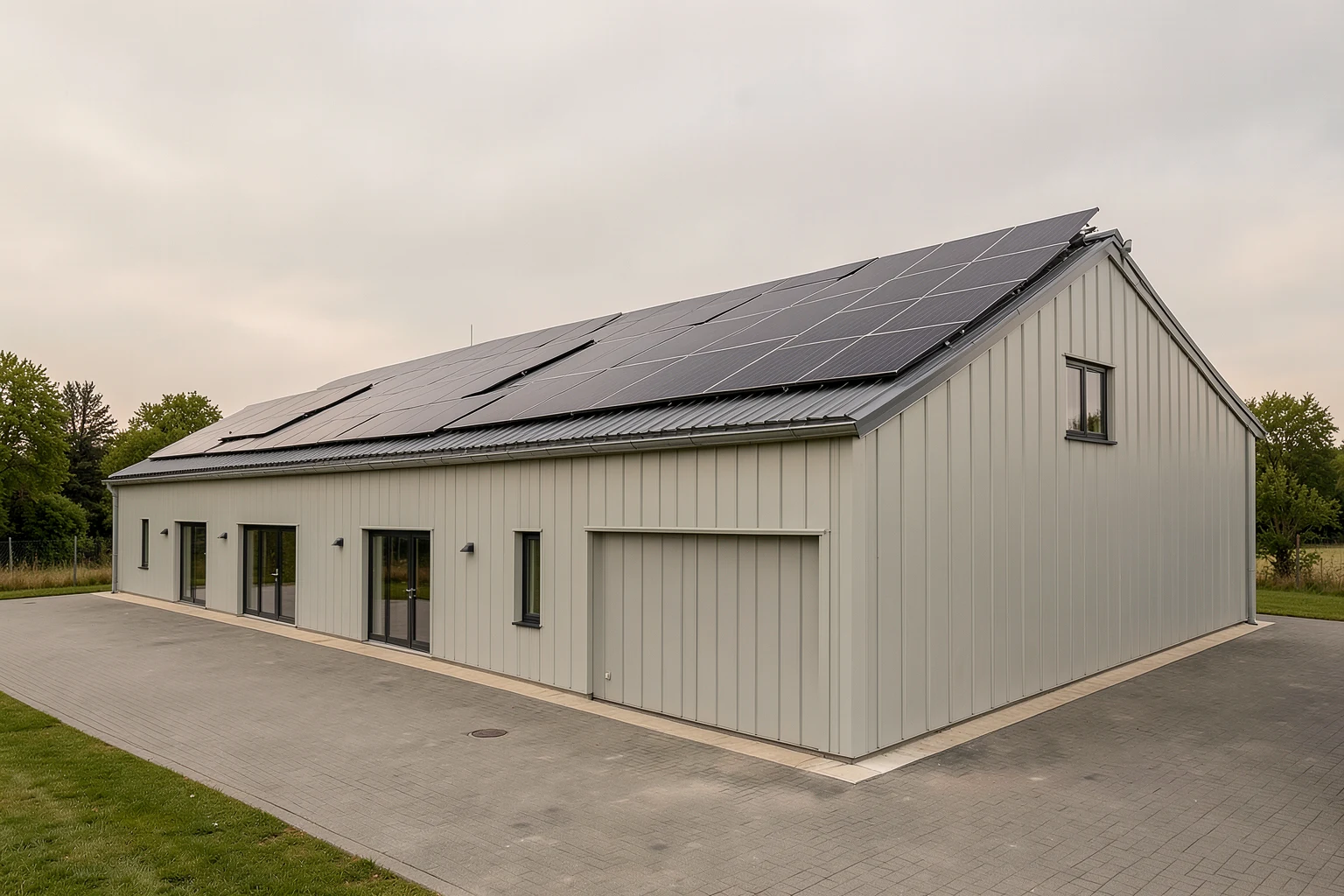
Connect the roof above your premises with the working day below it. Start with authority, demand and a clear goal.
Explore the possibilities ↓01 / SPACE WITH A PURPOSE
Begin with when the building is occupied and which activities use electricity. Explain quieter days, seasonal peaks and planned changes. Keep those patterns separate from any forecast of generation.
For example, a premises team might have recent usage records but no current roof information. That is still a useful starting point: the brief can identify both the evidence available and the questions to resolve.
THE ROOF AND THE WORKING DAY
Put actual operating hours beside available usage records. Generation and demand do not automatically coincide.
Concept only: no scale, output or savings forecast.02 / FIND YOUR STARTING POINT
Identify who authorises roof and electrical changes, plus any operational contacts who need to review access.
Note the lease context and ask who can authorise changes. Keep responsibilities open until the relevant parties confirm them.
Describe shared roofs, access and supplies. Identify which decisions belong to the occupier and which need a wider conversation.
03 / MAKE THE CONTEXT CLEAR
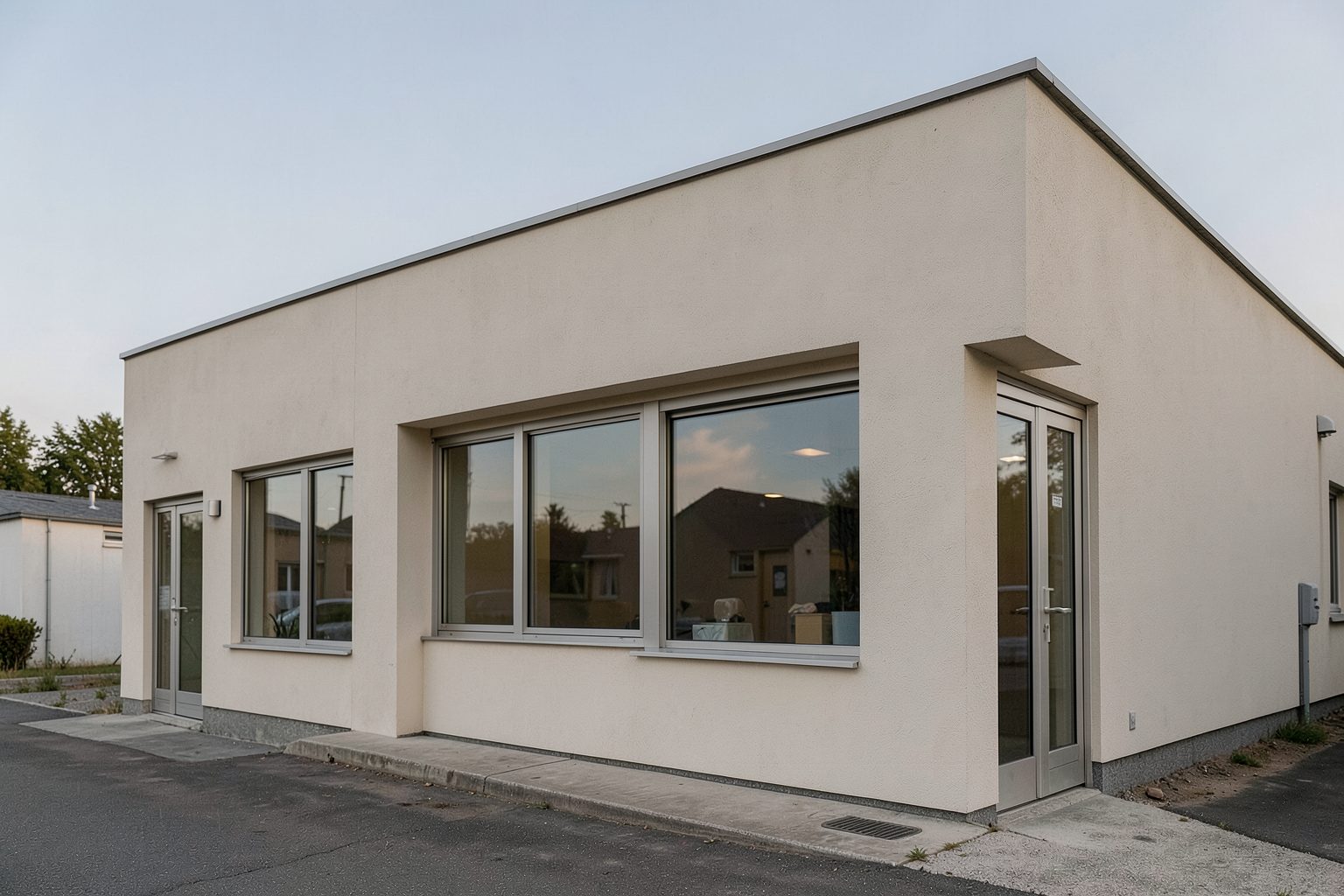
The roof, electrical installation and energy account may sit with different decision makers. Record who occupies the building and who can discuss changes to it. If the premises are leased, identify the questions that need a landlord’s response.
Do not assume a large roof automatically provides a simple project. Roof condition, existing equipment, access and proposed use all belong in the evaluation.
Describe the business objective without assigning unsupported savings. Is the aim to explore onsite generation, understand future options or coordinate with other property work? A clear objective helps reviewers understand what the proposal should address.
Ask how assumptions will be explained, what work is included and what dependencies remain. Include continuity constraints and the people who need to review the next step. Use the business brief to bring those questions together before selecting equipment.
EXPLORE YOUR NEXT MOVE
Record who is responsible for the building, known maintenance plans and any existing information about the roof. Do not assume the occupier can authorise changes.
Prepare roof questions ↗Operating hours and energy-use records add context to the physical building. Include seasonal changes and planned growth.
Prepare usage questions ↗