Explain the route from property to parking
Describe the usual bay and any gates or paths between it and the building. Ask what information is needed to assess a location.

BRH / Charging at home
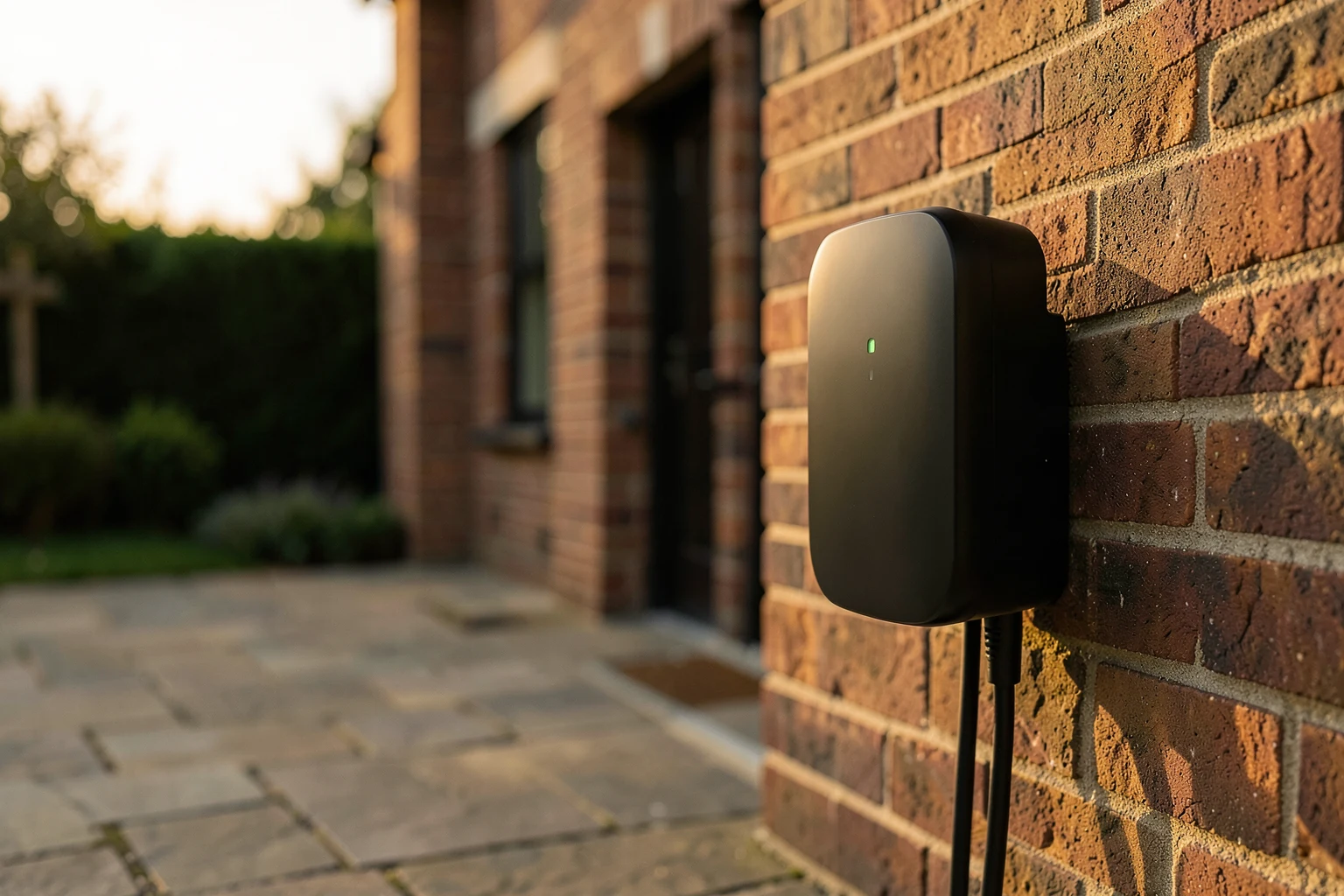
An ordinary parking space. An everyday routine. Start with how you actually live, then consider the equipment.
Explore the possibilities ↓01 / BUILT AROUND YOUR ROUTINE
Start with the vehicle you use or are considering, when it is usually parked at home and when you need it again. A regular commute and occasional longer trips are different parts of the picture; include both if they matter to you.
If more than one household member uses the car, note any competing routines. The first conversation is about making the situation understandable, rather than choosing a product from a photograph.
When is the car here—and when do you need it again? That is a better starting question than which charger looks best.
02 / UNDERSTAND THE SPACE
Describe the usual bay and any gates or paths between it and the building. Ask what information is needed to assess a location.
Mention storage, vehicle position and access. Discuss a location that considers ordinary movement as well as the car.
Identify the space you use and who manages it. Ask what agreement and assessment would be needed before considering equipment.
03 / EQUIPMENT IN CONTEXT
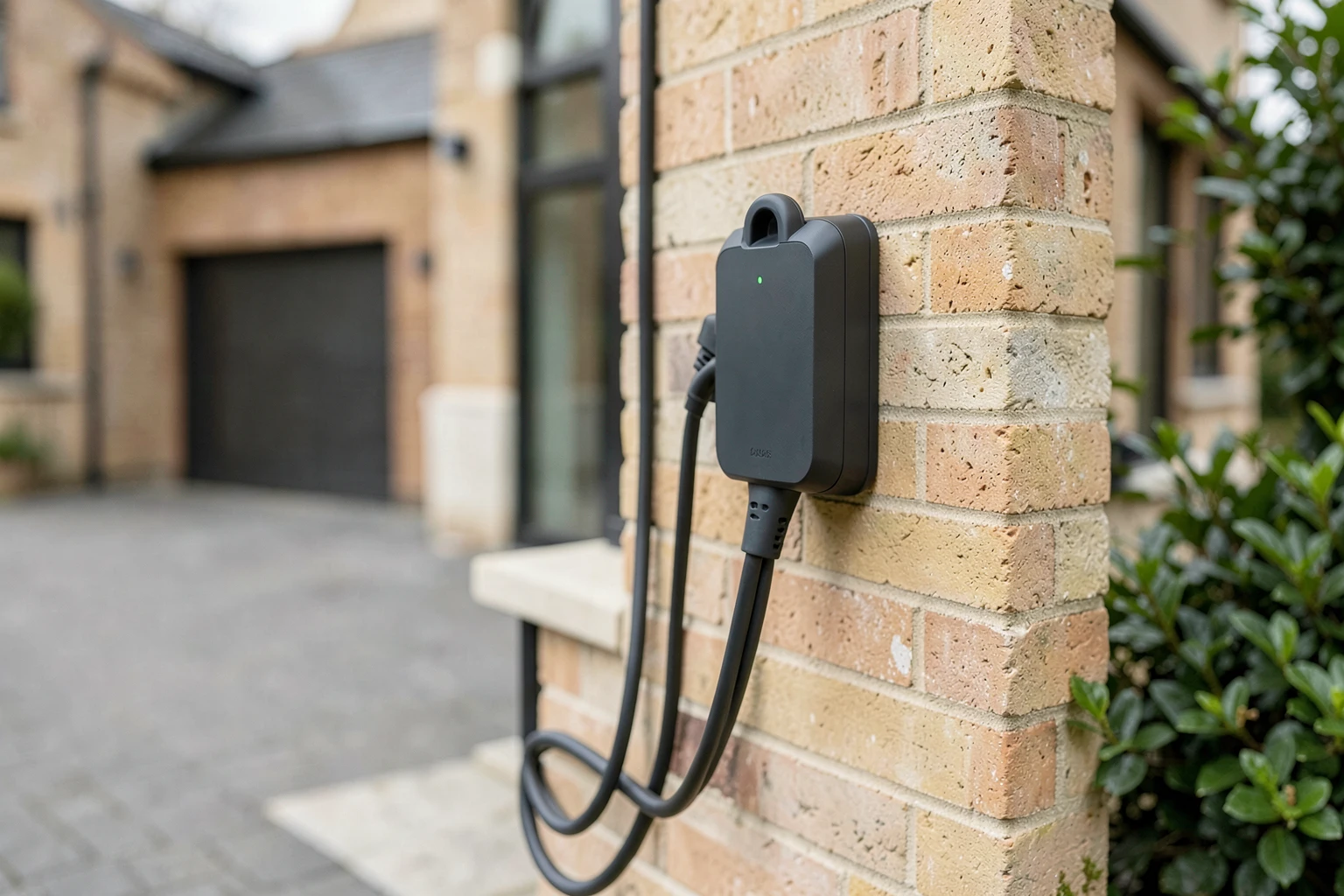
An attached cable is ready to use; a socketed charger uses a separate cable. Think about storage, where the vehicle inlet sits and who will use the space.
A compatible smart setup can schedule charging. Check the vehicle, tariff conditions and how to override a schedule when your plans change.
Ask about assessment of the electrical supply, equipment, cable routes, associated work and handover guidance. Vehicle compatibility and location suitability need to be considered for your property.
04 / PREPARE A USEFUL CONVERSATION
Describe the space and who controls it. Include the relationship between parking and the building, gates, shared areas and any access constraints. Existing ground-level photos can help explain the setting.
For shared parking, establish which people need to be involved before assuming equipment can be fitted. The website cannot determine permissions or whether a location is suitable.
Ask what vehicle information and property details are needed, how the electrical requirements would be assessed and what the proposed work would include. Mention solar or renovation plans so they can be considered together.
Use the parking guide if your arrangement is hard to describe. You can then prepare a short enquiry with what you know and the questions that remain. Leave charger specification and installation design for a properly informed discussion.
EXPLORE YOUR NEXT MOVE
Explain who controls the space, whether access is shared and how the vehicle normally sits relative to the building.
Work through parking ↗Solar, renovation or other electrical changes may form part of the longer-term plan. Mention them even if you want to start with charging.
Connect your plans ↗