Power and energy are different
Charging power describes the rate at which energy can be supplied; battery energy describes an amount. A higher charger rating does not mean every vehicle can accept that rate.

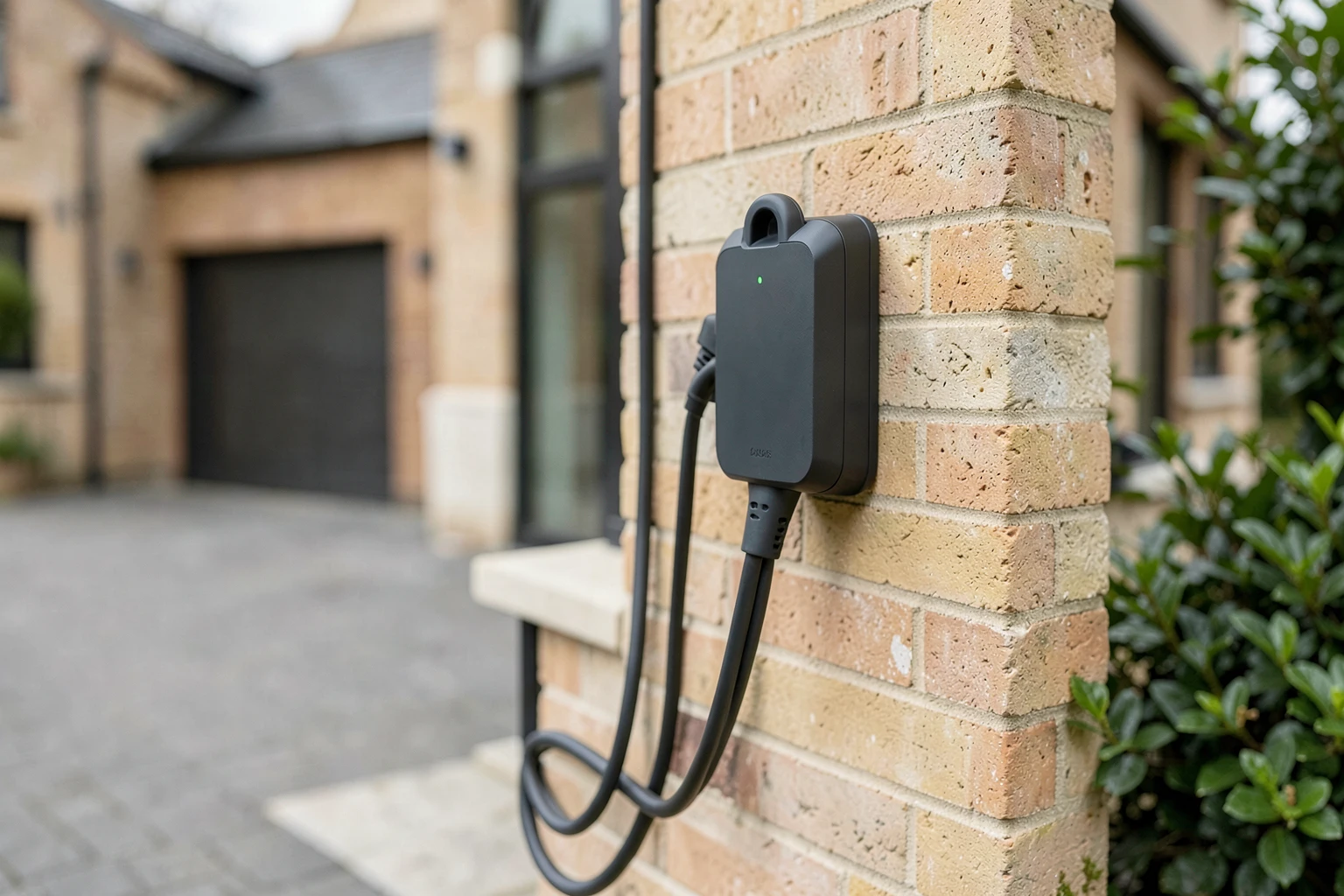
BRH / EV charging
At home or across a working day, charging begins with the place, the people and the time available.
Explore the possibilities ↓01 / PARKING BECOMES PART OF THE PLAN
Where a vehicle spends time is a useful starting point for a charging discussion. Describe the usual parking location, the time it arrives and when it is needed again. Include changes you already expect, such as a different vehicle or a new working pattern.
The aim is to explain the situation clearly. A product rating alone does not determine whether an arrangement fits a property or a driver.
Parking access, everyday journeys and the hours the vehicle spends at home.
Explore home charging ↗02 / WORKPLACEDifferent users, shared spaces and an operating arrangement that makes sense.
Explore workplace charging ↗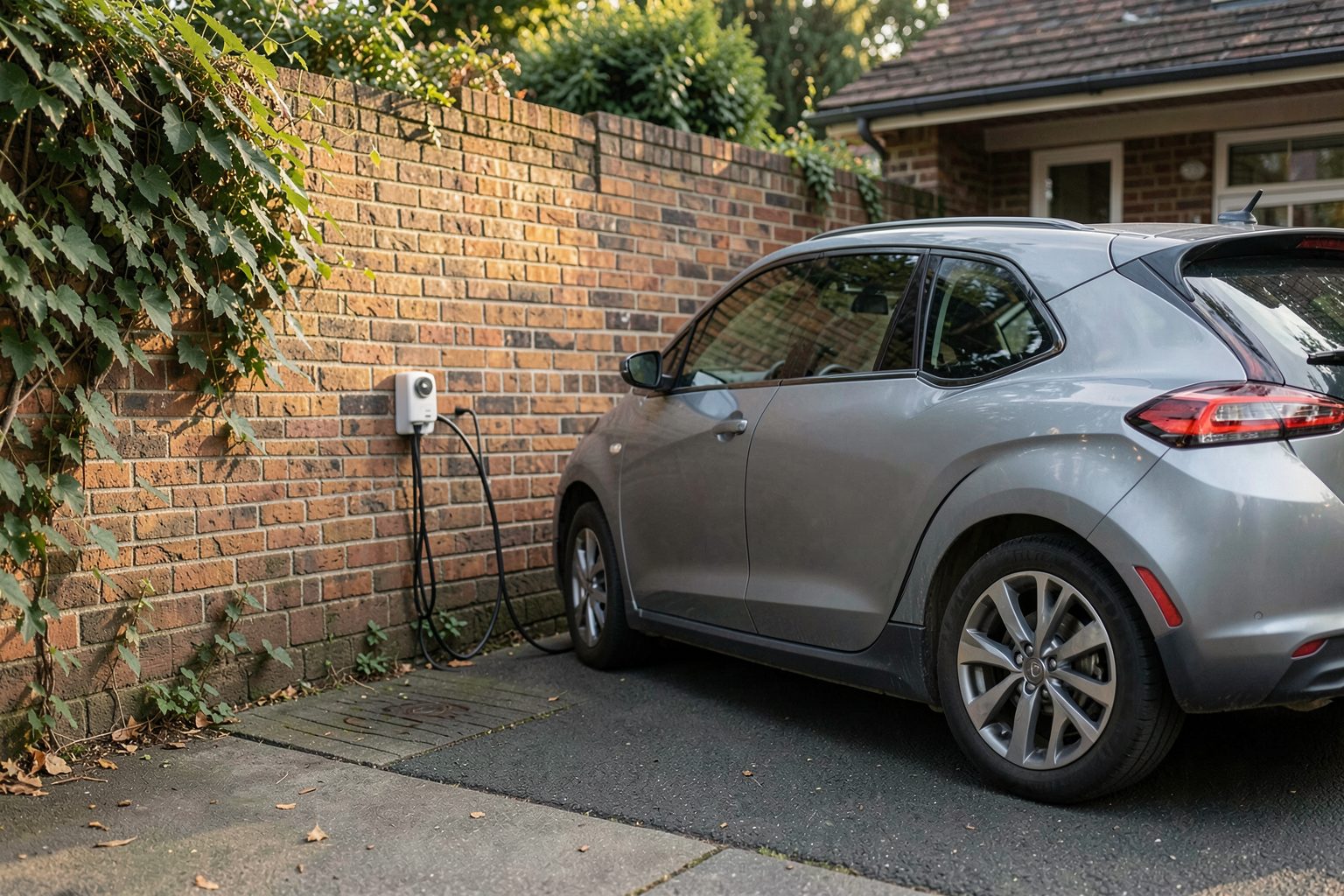
03 / MAKE THE CONTEXT CLEAR
Record who controls the parking space and the areas between it and the building. Gates, shared access and everyday movement matter to the location discussion. A neat-looking position is not, by itself, confirmation of a suitable installation.
Existing supply, equipment compatibility and the proposed scope need appropriate assessment. Ask which details are required before a recommendation can be made, and avoid choosing a route for cables yourself.
At home, focus on the household’s parking arrangement and driving pattern. At work, add who will use the spaces, who manages access and how changing demand would be reviewed. The questions differ even where the equipment looks similar.
BRH welcomes an enquiry describing the project you have in mind. Confirm the scope and next steps through that conversation. For general background, see the Energy Saving Trust’s charging guide.
UNDERSTAND THE BASICS
Charging power describes the rate at which energy can be supplied; battery energy describes an amount. A higher charger rating does not mean every vehicle can accept that rate.
The charging arrangement and vehicle both affect charging time. Bring the vehicle model and normal parking duration into the discussion before choosing a specification.
A smart chargepoint can schedule charging rather than beginning immediately. Whether a schedule reduces your cost depends on your tariff and when you need the vehicle.
Independent background: Energy Saving Trust’s charging guide.
EXPLORE YOUR NEXT MOVE
Tell us about your parking space, the vehicle and how long it tends to be at home. Include any shared access or future household changes.
Charging at home ↗Staff, visitors and business vehicles may need different arrangements. Start with who would use the space, when and how access would be managed.
Charging at work ↗