Understand the operation
Record opening hours, critical activity and known site constraints. Identify the people responsible for property decisions and everyday access.

BRH / For your business
Energy decisions connect buildings, people and the way a business works. Give each a place in the plan.
Explore the possibilities ↓01 / A WORKING PROPERTY
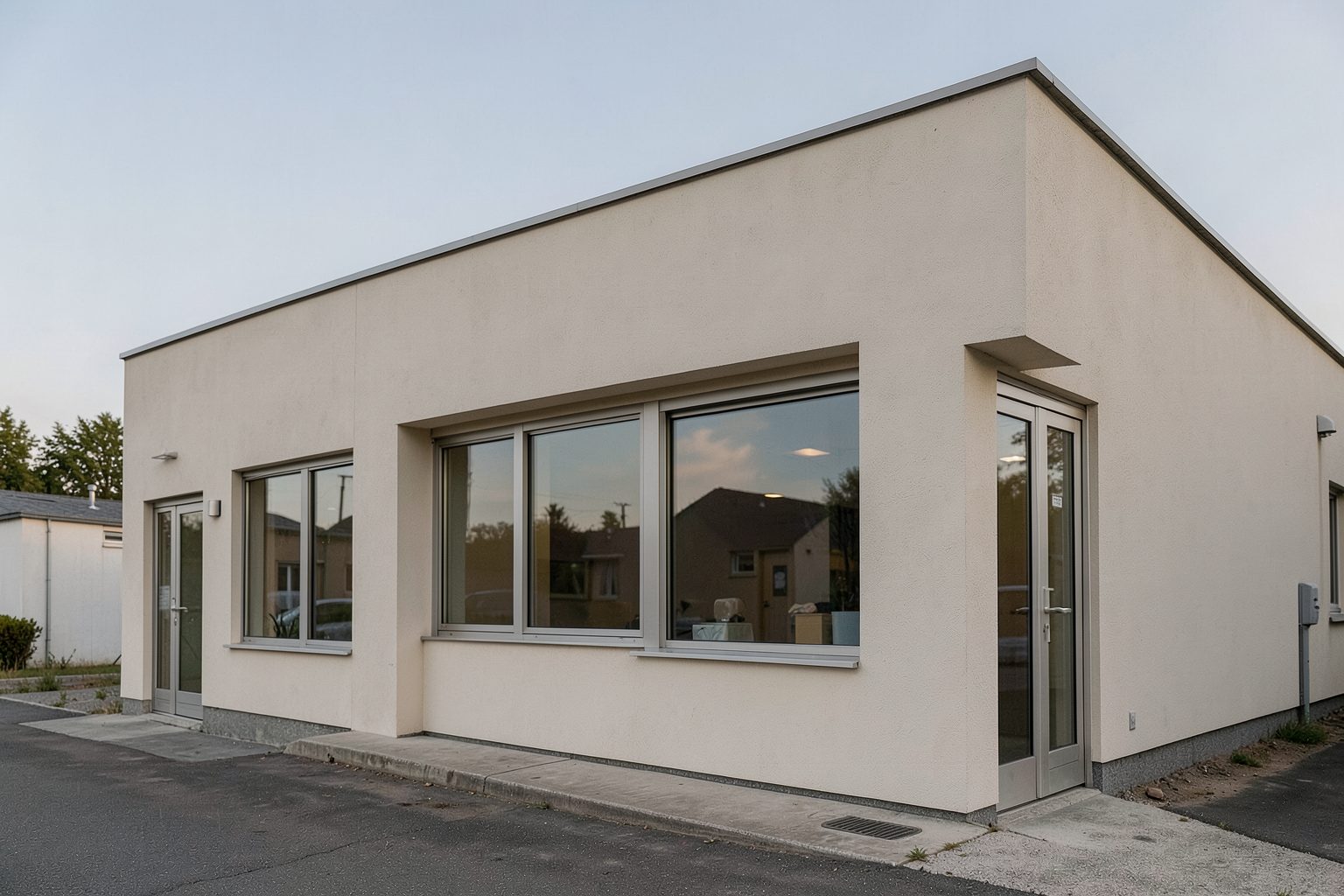
A business energy brief starts with activity. Describe the working week, seasonal changes and equipment that matters to operations. Include days when the building is lightly occupied as well as the busiest periods.
Existing electricity records provide context, but a total alone does not describe when energy is used. If you have interval data, note that it is available. There is no need to attach account details to an initial enquiry.

02 / PLAN AROUND THE WORKING DAY
Record opening hours, critical activity and known site constraints. Identify the people responsible for property decisions and everyday access.
Ask how proposed work relates to staff, deliveries and normal use of the premises. Agree dependencies and what needs coordination before a schedule is assumed.
Clarify the information, operating guidance and responsibilities expected at completion. Bring future changes into the conversation too.
03 / MAKE THE CONTEXT CLEAR
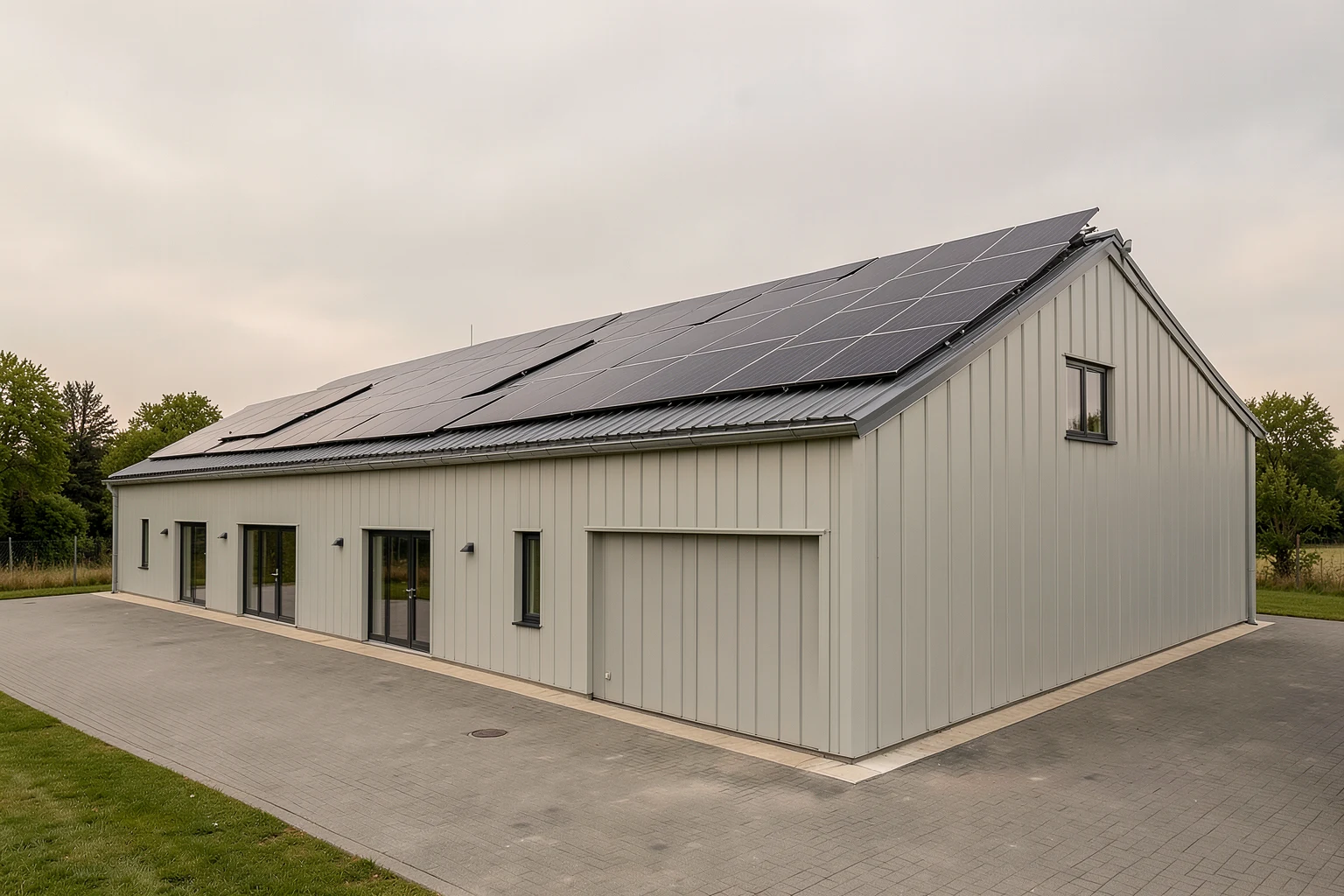
The person paying for energy may not own the roof or control the car park. Identify the building owner, occupier and the person who can discuss changes. For leased premises, record the questions to put to the landlord before assuming a project can proceed.
If several businesses share the property, explain the arrangement. Keep commercial and operational decisions connected instead of treating equipment selection as an isolated purchase.
Mention access hours, deliveries, occupied areas and equipment that cannot simply be interrupted. These details help frame a discussion about assessment and a possible scope; they do not establish a works schedule.
For an internal decision brief, separate the immediate goal from future growth. Record who will review a proposal, what information they need and what remains undecided. That gives an enquiry a clear purpose without inventing a budget or performance target.
EXPLORE THE POSSIBILITIES