Start with information, not a verdict
A roof can look straightforward from the street while leaving important questions unanswered. The purpose of this guide is to help you describe the setting, not decide that the property is ready for solar. Keep observations, records and assumptions separate in your notes.
Begin with the type of building and the roof areas you want to discuss. If there are several slopes or extensions, give them simple names such as front roof, rear roof and garage. Consistent labels make a photograph or drawing easier to follow in a later conversation.
Direction and nearby surroundings
Record the direction of the roof if you already know it. If you do not, write “to explore” instead of choosing an answer. Describe nearby trees, taller buildings or other surroundings that may be relevant to the daylight reaching the roof.
An observation made at one time does not describe every season or hour. Note when a photograph was taken if that context matters, and distinguish what you can see from what requires assessment. There is no need to climb or access a roof for this enquiry.
Features that deserve a place in the brief
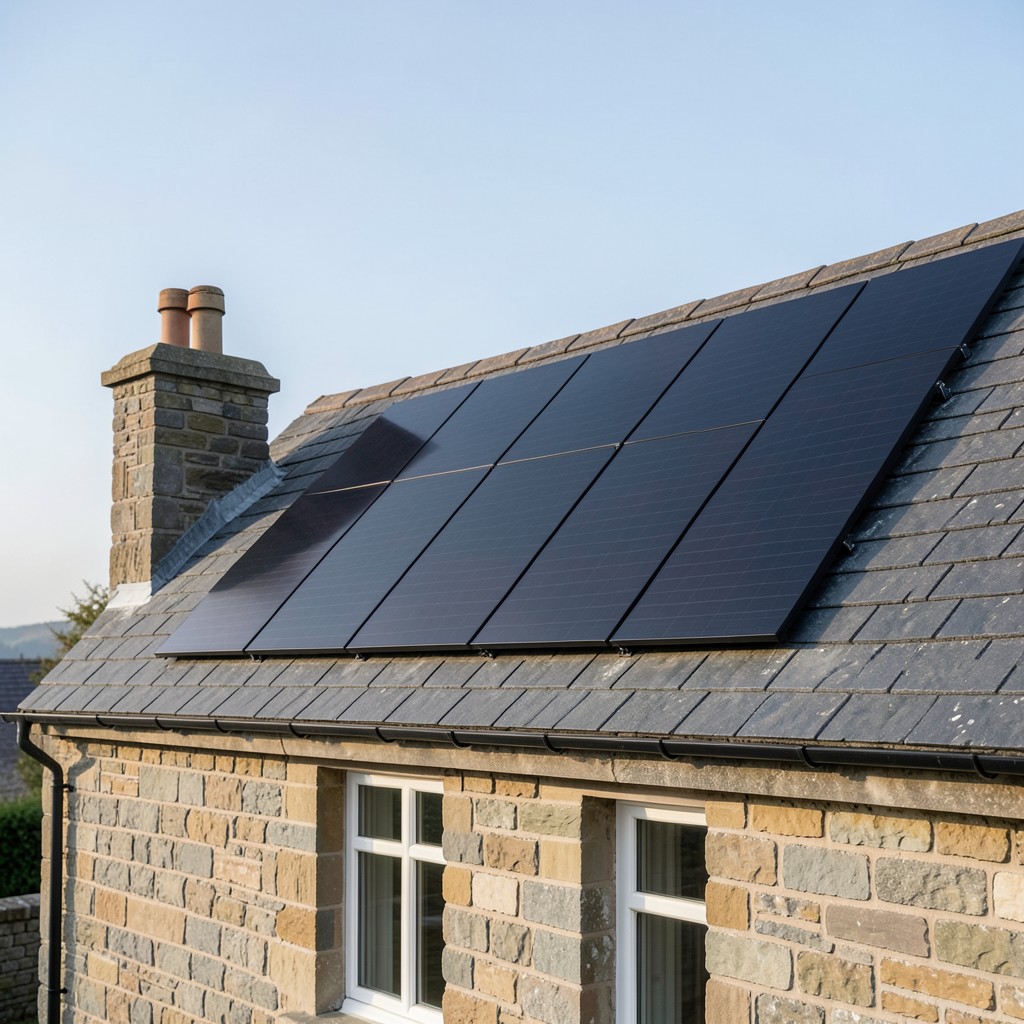
Chimneys, roof windows, vents and changes in roof level are useful to identify. Describe them in ordinary language and, where possible, point them out on an existing photograph. You do not need to draw panel positions or calculate usable area yourself.
If roof repairs or other building work are planned, include them early. State whether the work is an idea, under discussion or already arranged. That distinction helps avoid treating an uncertain renovation plan as a fixed part of the solar brief.
Use the records you have
Existing drawings, a recent roof report or information about previous work can add context. Note the document date and what it actually covers. A record of one repair is not a complete statement about the whole roof’s current condition.
For an initial message, a list of available documents is often enough. You can ask which items are useful to share next. Avoid attaching unrelated personal information or large collections of files before knowing what the conversation needs.
Bring roof and routine together
The building is only one part of a solar enquiry. Add a short description of when electricity is used and any changes expected in the household or business. Keep this practical: working from home, seasonal activity or a planned vehicle can all help explain the goal.
Ask how the physical roof, existing electrical information and usage pattern would be assessed together. Leave system layout, output and costs for a proposal based on the actual property. The home solar dossier gives you a known-or-unknown checklist that can become the first version of your enquiry.